Construction Industry Insights and Trends
In the dynamic world of construction, the role of a consultant is pivotal. They bridge the gap between vision and reality, ensuring projects are completed on time, within budget, and to the highest standards. Drawing from years of experience, here are some invaluable lessons learned from a seasoned construction consultant, enriched with practical examples and insights on managing cost overruns.
Communication is Key
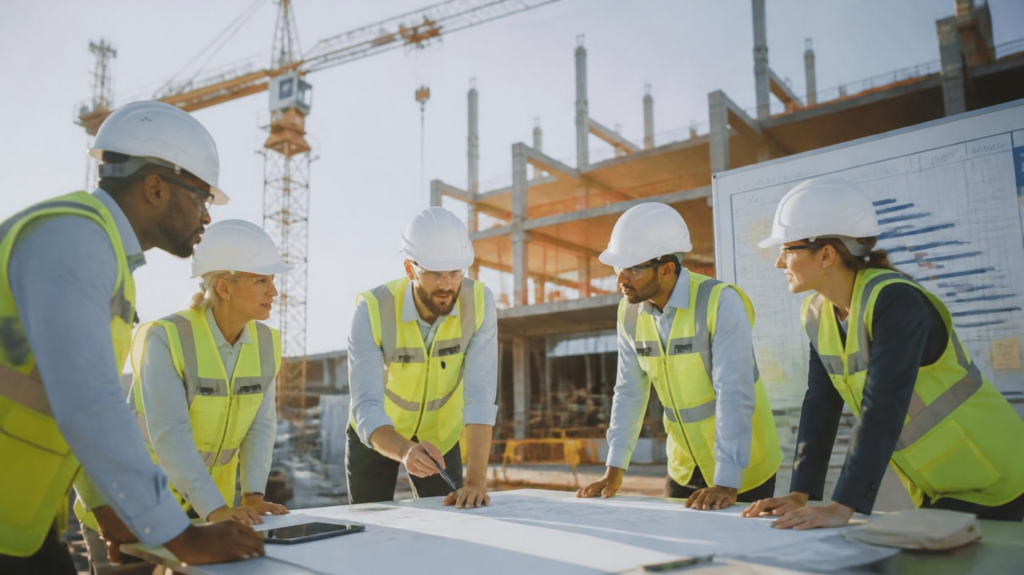
Effective communication is the cornerstone of any successful construction project. Clear, concise, and consistent communication among all stakeholders—clients, contractors, architects, and engineers—prevents misunderstandings and ensures everyone is on the same page. For instance, in a large-scale commercial project, regular meetings and updates helped identify potential issues early, allowing the team to address them promptly and keep the project on track.
Detailed Planning and Documentation
Thorough planning and meticulous documentation are essential. A well-drafted project plan outlines the scope, timeline, budget, and resources required. Detailed documentation helps in tracking progress, managing changes, and resolving disputes. For example, in a residential development project, comprehensive documentation of design changes and material specifications helped avoid costly delays and ensured that the project met quality standards.
Learn more, join ICAC!
Risk Management

Identifying potential risks early and developing strategies to mitigate them can save time, money, and resources. This includes assessing site conditions, understanding regulatory requirements, and anticipating market fluctuations. In one project, early identification of potential soil instability led to the implementation of additional foundation supports, preventing future structural issues and cost overruns.
[Related post: https://theicac.org/blog-effective-risk-mgmt/]
Embrace Technology
The construction industry is rapidly evolving with advancements in technology. Tools like Building Information Modeling (BIM), drones, and project management software enhance efficiency, accuracy, and collaboration. For instance, using BIM in a hospital construction project allowed for better coordination among various trades, reducing conflicts and rework, and ultimately saving time and money.

Foster Strong Relationships
Building and maintaining strong relationships with clients, contractors, suppliers, and other stakeholders is crucial. Trust and collaboration lead to better teamwork, smoother operations, and successful project completion. In a mixed-use development project, strong relationships with local suppliers ensured timely delivery of materials, keeping the project on schedule.
Continuous Learning and Adaptation
The construction industry is ever-changing, with new materials, methods, and regulations emerging regularly. Continuous learning and adaptation are vital for staying relevant and effective. Attending workshops, seminars, and training sessions can help consultants stay ahead of the curve and provide the best advice to their clients.
Focus on Quality and Safety
Quality and safety should never be compromised. Ensuring that all work meets the highest standards and complies with safety regulations protects the well-being of workers and the integrity of the project. Regular inspections, quality checks, and safety audits are essential practices. In a high-rise building project, stringent safety protocols and regular safety drills significantly reduced the risk of accidents.
Cost Overruns: Causes and Prevention
Cost overruns are a common challenge in construction projects, where the actual costs exceed the budgeted amounts. Understanding the causes and implementing strategies to prevent them is crucial for project success.
[Related post: https://theicac.org/blog-cost-crisis/]
Common Causes of Cost Overruns
- Inaccurate Cost Estimates: Initial cost estimates that are too optimistic or based on incomplete information can lead to budget shortfalls.
- Scope Creep: Unplanned changes or additions to the project scope can significantly impact the budget and schedule.
- Poor Communication: Miscommunication among stakeholders can lead to errors and rework, increasing costs.
- Project Delays: Delays due to unforeseen site conditions, weather, or regulatory issues can escalate costs.
- Inflation and Market Fluctuations: Changes in material prices and labor costs can affect the overall budget.
Strategies to Prevent Cost Overruns
- Accurate Cost Estimation: Use historical data, expert input, and reliable software tools to develop realistic cost estimates. [reducing cost overruns]
- Clear Project Scope: Define the project scope clearly and establish change control procedures to manage any modifications. [reducing cost overruns]
- Effective Communication: Ensure all stakeholders have access to up-to-date information and maintain open lines of communication. [reducing cost overruns]
- Risk Management: Identify potential risks early and develop mitigation strategies to address them proactively. [reducing cost overruns]
- Regular Monitoring: Continuously monitor project progress and costs, and adjust plans as needed to stay within budget. [reducing cost overruns]
[Related post: From Chaos to Control: How Communication Keeps Projects on Budget]
Conclusion
The role of a construction consultant is multifaceted and challenging, but also incredibly rewarding. By focusing on communication, planning, risk management, technology, relationships, continuous learning, and quality and safety, consultants can navigate the complexities of construction projects and drive them to successful completion. Understanding and preventing cost overruns is a critical aspect of this process. These lessons, learned through experience, are the foundation of effective consultancy and the key to building a better future.
Read other blogs and obtain additional information on ICAC’s Professional Development Hub
What causes cost overruns in construction projects?
How can construction consultants help prevent cost overruns?
Consultants add value by implementing robust cost control systems, conducting detailed risk assessments, and using benchmarking to validate estimates. They also ensure better communication between stakeholders and provide early warnings when costs start trending upward.
What lessons can owners learn from projects with cost overruns?
Owners should learn the importance of clear scope definition, contingency planning, and regular cost monitoring. Investing in technology and hiring experienced consultants can significantly reduce the likelihood of overruns.
Why is early cost planning critical in construction projects?
Early cost planning sets realistic budgets and identifies potential risks before they escalate. It allows owners and consultants to allocate resources efficiently and avoid surprises during execution.
What role does data play in managing construction costs effectively?
Accurate data enables better forecasting, benchmarking, and decision-making. Consultants rely on historical cost data and real-time analytics to spot trends, negotiate contracts, and keep projects aligned with financial goals.
How can technology help reduce cost overruns in construction?
Tools like BIM, AI-driven estimators, and cloud-based cost management platforms improve accuracy and transparency. They allow consultants to track expenses in real time and make proactive adjustments before overruns occur.